
Feedback
AI Ad Video Example
Loading...
MiniMax H3 prompt
Learn how a well-built MiniMax H3 prompt works: role-tagged references, timecoded shots, camera moves, and audio cues for 2K video.
All Tools
Discover our comprehensive AI-powered animation toolkit
MiniMax H3
MiniMax H3 AI Video Generator

Veo3.1
Create Stunning Videos with Veo3.1
MiniMax H3 video generator
MiniMax H3 AI Video Generator
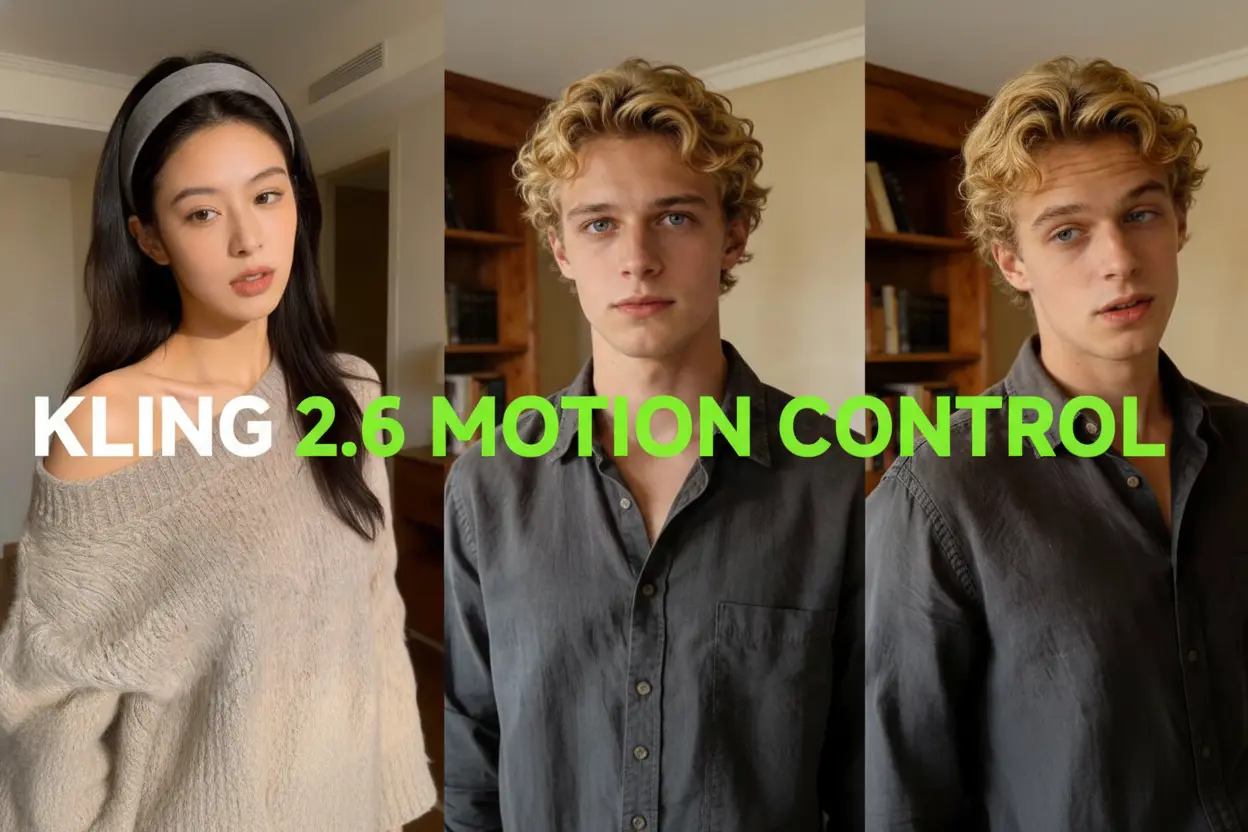
Kling Motion Control
Turn reference images into amazing motion videos in minutes
Sora2 AI
Advanced AI Video Generator for High-Quality Videos

Suno AI Music Generator
Create Professional Music with AI
price
My Creations
What a Polished MiniMax H3 prompt Unlocks
This MiniMax H3 prompt guide walks you through prompting an open-weight, general-purpose multimodal video model that renders 5-15 second, 2K, 24fps clips with native stereo audio. Each request accepts up to 7,000 characters, so you can label every reference asset, map shots by the second, script camera movement and sound design, and keep characters recognizable from first frame to last — all inside one prompt.
- Give Every Reference a JobThe habit that pays off fastest in any MiniMax H3 prompt: name what each image, clip, or audio file contributes — mood, talent, product, style, or voice — before the model starts rendering.
- Beat-by-Beat Shot PlanningSplit a multi-scene idea into [0-2s] and [2-4s] beats inside a single MiniMax H3 prompt, so pacing feels like a film rather than a slideshow.
- Direct Sound, Not Just PictureSpell out music structure, effects, and cloned voice work as carefully as your visuals — sub-bass hits, hi-hat patterns, foley, and line timing all belong in the MiniMax H3 prompt.
Building a MiniMax H3 prompt, Step by Step
Five steps to a production-ready MiniMax H3 prompt that yields 2K video with matched audio.
Techniques That Make a MiniMax H3 prompt Work
A set of proven practices from the MiniMax H3 prompt guide — reference roles, timed shot lists, audio direction, negative directions, identity locking, edit constraints, cinematic vocabulary, and event-driven transitions — that push generation toward precise, professional results.
Negative Directions
Tell the model what to leave out — 'no soft dissolves', 'no garbled characters', 'no jump scares' — and a MiniMax H3 prompt steers clear of the output you don't want.
Locking Identity Across Cuts
List the details that define a character, product, or set inside your MiniMax H3 prompt — hair, wardrobe, props, typography — and they hold steady through every cut.
Pairing Edits with Constraints
For editing work, state each replacement alongside what must remain unchanged in the MiniMax H3 prompt, so changes stay local instead of triggering a full re-render.
Cinematic Camera Vocabulary
Reach for shot scale, lens behavior, exposure, and film texture — handheld shake, rack focus, wide-angle distortion, grain — and write them straight into the MiniMax H3 prompt.
Transitions as Physical Action
Frame a cut as something that happens — a whip pan, motion blur, optical smear, exposure flicker — which reads far better than naming an effect in the MiniMax H3 prompt.
7,000 Characters of Control
An entire shot list plus sound design fits in one MiniMax H3 prompt — full scene, timed beats, audio plan, and constraints submitted together.
MiniMax H3 prompt: Frequently Asked Questions
Straight answers to the questions creators ask most often when writing prompts for the MiniMax H3 video model.
What exactly is the MiniMax H3 prompt guide?
It collects the practices that work best when prompting MiniMax's open-weight multimodal video model — assigning reference roles, planning shots by the second, directing audio, adding negative directions, locking identity, and using cinematic language for 2K video with native stereo audio.
How long can my prompt be?
Roughly 7,000 characters. That is room for a full shot list, timed beats, camera moves, audio design, and constraints inside a single MiniMax H3 prompt.
How should I handle several reference assets?
Give each one a distinct job in the MiniMax H3 prompt — 'Image 1 for mood, Image 2 for talent, Audio 1 for voice'. A single request supports up to 9 images, 3 video clips, and 3 audio files.
Should the prompt describe audio too?
Absolutely. Treat sound the way you treat a scene in the MiniMax H3 prompt: describe music structure, instrument timing, foley detail, and dialogue so the native audio generation lines up with your edit.
How do I keep a character consistent?
Lock identity by listing the defining features — hair, wardrobe, props, scene details — in the MiniMax H3 prompt, then carry those markers through every timed beat and cut.
What should I avoid writing in a prompt?
Vague pacing and styles you don't want. Replace slideshow-style sequences with timecoded blocks, and use negative directions in the MiniMax H3 prompt to rule out unwanted elements.
Write Your First MiniMax H3 prompt Now
Turn one structured MiniMax H3 prompt into a 2K clip with native stereo sound — timed shot lists, assigned reference roles, cinematic camera language, and precise audio direction from start to finish.